
Replacing the siding on a typical Ocean City home costs roughly $8,000 to $15,000 with vinyl and $14,000 to $24,000 with Hardie board (fiber cement). Per square foot of wall, that works out to about $5–$9 for vinyl and $9–$15 for Hardie board, installed, including removal of the old siding.
Where your project lands in those ranges depends on the size and shape of the house, how much damage is hiding under the old siding, and a few factors that are specific to building at the beach.
Below, we’ll cover what drives the price, how vinyl and Hardie board really compare in salt air and storms, two questions almost nobody asks before signing (and should), the permits and HOA approvals you may need, and how to keep new siding looking good near the ocean.
How Much Does Siding Replacement Cost in Ocean City?
Most siding quotes are built on the square footage of your exterior walls, not the square footage of your home. A 1,600-square-foot two-story house often has around 1,500 to 2,000 square feet of wall area once you subtract windows and doors.
Here’s how the two most common materials compare for an average Ocean City home:
|
|
Vinyl siding |
Hardie board (fiber cement) |
|---|---|---|
|
Installed cost per sq ft |
About $5–$9 |
About $9–$15 |
|
Typical whole-house cost |
About $8,000–$15,000 |
About $14,000–$24,000 |
|
Expected lifespan |
20–40 years |
30–50 years |
|
Ongoing upkeep |
Rinsing, occasional panel repair |
Rinsing, caulk checks, eventual repaint |
For context, national averages run lower. Bob Vila puts vinyl at roughly $6,150 to $15,900 and fiber cement at $6,000 to $20,000 for a whole house. Coastal jobs tend to sit at or above the top of those ranges, for reasons we’ll get to next.
Vinyl Siding Cost
Vinyl is the budget-friendly choice and the most common siding on the Eastern Shore. Thicker, premium panels and insulated vinyl cost more than builder-grade panels, but they hold their shape better in summer heat and resist cracking when a cold snap hits in January.
Hardie Board Cost
Hardie board costs more for two reasons: the material itself, and the labor. Fiber cement planks are heavy, need special cutting tools and dust control, and take longer to install. Factory-finished boards (James Hardie calls this ColorPlus) cost more upfront but save you a paint job down the road.
What Drives Siding Costs Up on the Coast
Two homes the same size can get very different quotes. These are the factors that move the number most in this area:
-
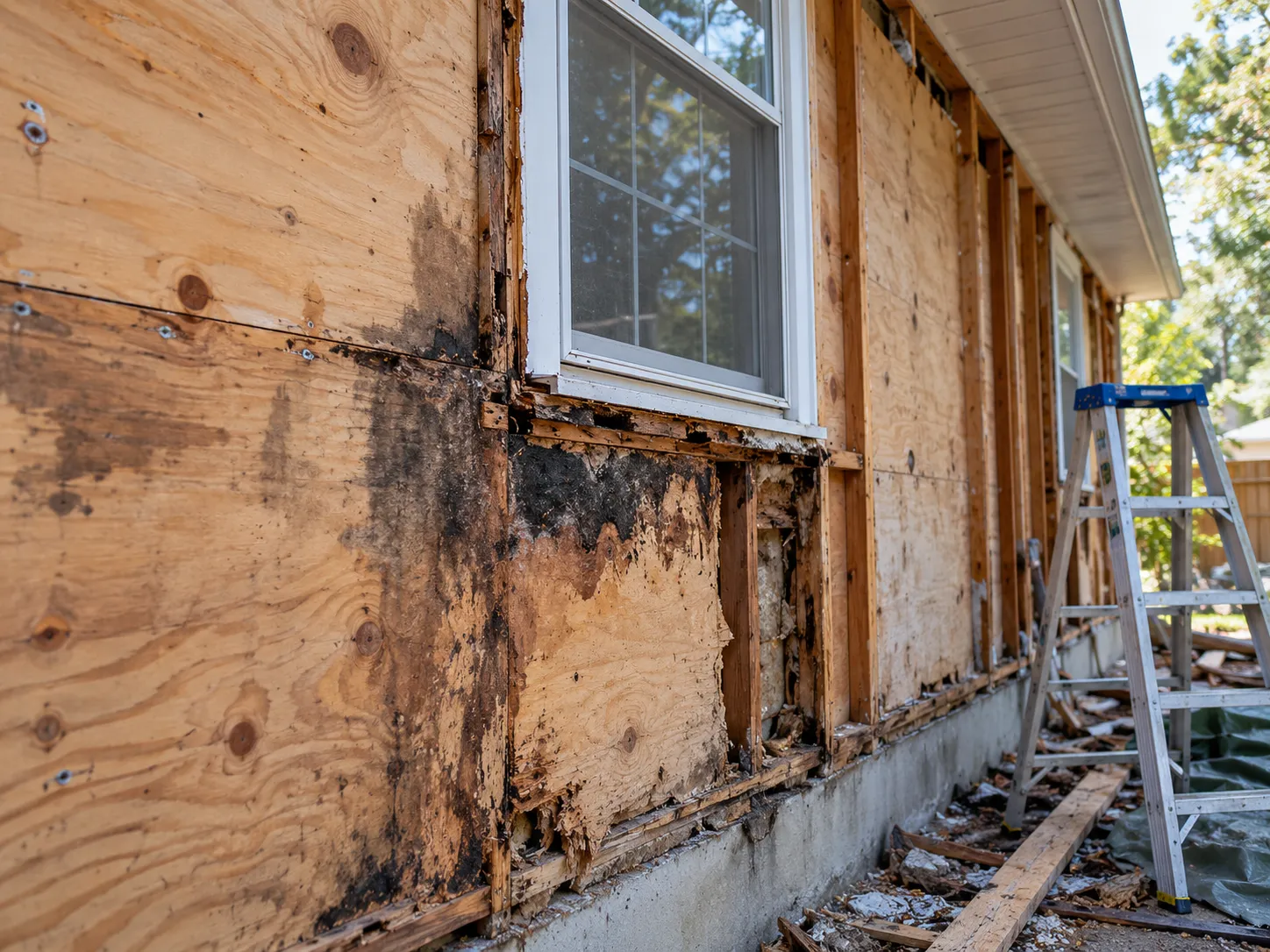
What’s under the old siding. Once the old panels come off, rotted sheathing or water-damaged framing has to be fixed before new siding goes on. On older beach homes, this is the most common surprise on the final bill.
-
Corrosion-resistant fasteners and trim. Standard nails and flashing rust faster in salt air. Stainless or properly coated fasteners cost a little more and are worth it.
-
Height and access. Three-story homes, steep lots and tight beach-block spacing mean more scaffolding and more labor.
-
Windows and trim details. Every window, door and corner needs flashing and trim. More openings mean more labor.
-
Removal and disposal. Tearing off and hauling away old siding is usually part of the quote. Make sure it’s itemized.
Hardie Board vs. Vinyl Siding for Salt Air and Storms
Both materials can work well in Ocean City. They just fail in different ways, which is why the “right” answer depends on your house.
Vinyl doesn’t rot, rust or need paint, and salt air doesn’t hurt the material itself. Its weak points are wind and impact. In a strong storm, poorly fastened panels can unlock and blow off, and vinyl can crack when struck by debris, especially in cold weather.
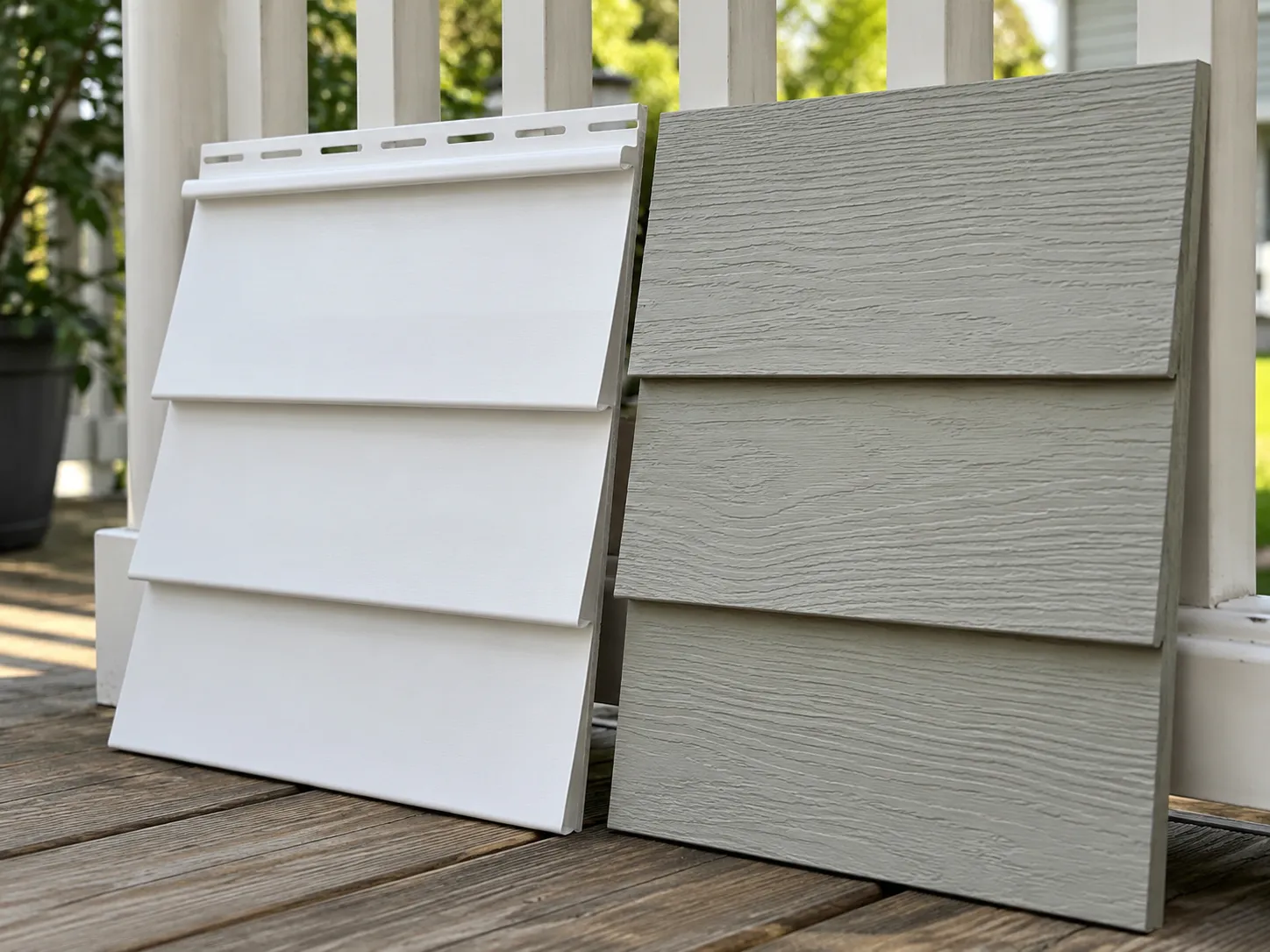
Hardie board is far more rigid. It doesn’t blow off in the way vinyl can, it resists impact, and it won’t melt or warp from heat. Its weak points are moisture at the edges and the paint. Cut ends must be sealed, and the boards need proper clearance from the ground and roofline. Installs that skip these steps are a common cause of swelling and voided warranties.
Wind Ratings and the 125 MPH Standard
Here’s the first question most homeowners never ask.
Worcester County, which includes Ocean City, is in a 125 mph wind speed zone with exposure category “C,” according to the county’s published wind resistance requirements. Exposure C applies to open terrain, which describes much of the coastline.
Meanwhile, the industry baseline for certified vinyl siding is the ability to withstand winds of at least 110 mph in testing, according to the Vinyl Siding Institute. Many products are rated much higher, but not all of them.
These two numbers aren’t measured in exactly the same way, so don’t try to compare them yourself. Instead, ask your contractor one simple question:
“What is this siding’s rated wind speed, and does it cover my home’s location and exposure?”
A contractor who builds on the coast should be able to answer that immediately, and show you the rating on the product’s documentation.
Hardie Zone: Why Your ZIP Code Matters
Here’s the second question. James Hardie doesn’t sell one universal product. Its HardieZone system engineers siding for different climates:
-
HZ5 is designed for cold climates with freezing temperatures, snow and ice
-
HZ10 is designed for hot, humid coastal climates with salty sea air and hurricane-force winds
Ocean City is an unusual case, because it gets both: real freeze-thaw winters and constant salt air. Before you sign, enter your ZIP code on James Hardie’s HardieZone page and ask your contractor which product they’re quoting and why. It’s a two-minute check that makes sure the product matches your actual climate.
What’s the Best Siding for Coastal Homes?
There’s no single best siding for every beach house. Where your home sits matters more than most people expect:
-
Oceanfront and ocean-block homes take the most wind and salt. Hardie board, or premium vinyl with a high wind rating, is worth the extra cost here.
-
Bayside homes along the Assawoman Bay see less direct ocean spray but more humidity and, in low-lying spots, flood risk. Focus on moisture-tolerant materials near the ground and careful flashing.
-
West Ocean City and Berlin are more sheltered from direct spray. Quality vinyl is often the best value.
-
Ocean Pines homes sit under a tree canopy, so shade and moisture can encourage mildew. Factory-finished colors and good drainage behind the siding help. Many homes there also need HOA approval, covered below.
-
Rental properties benefit from low-maintenance materials that look good between guest turnovers, which often makes premium vinyl the practical choice.
Permits and HOA Approvals
Who handles permits depends on where your home is:
-
Inside Ocean City town limits: check with the Town of Ocean City.
-
Outside town limits (West Ocean City, Ocean Pines, Berlin area): permits generally go through Worcester County.
Whether a straightforward re-siding job needs a permit depends on the jurisdiction and the scope. If the work involves replacing sheathing or framing, a permit is more likely. Your contractor should check and pull any required permits for you. In Maryland, home improvement contractors also need a license from the Maryland Home Improvement Commission, so ask for the license number and verify it.
If you live in Ocean Pines, the Ocean Pines Association has an Architectural Review Committee with its own permit application and an additions and alterations checklist. Check its guidelines before choosing a color or profile, so your siding gets approved the first time.
Condo owners usually can’t replace siding on their own. Exterior walls are often a common element managed by the association.
Repair or Replace? The Color-Matching Problem
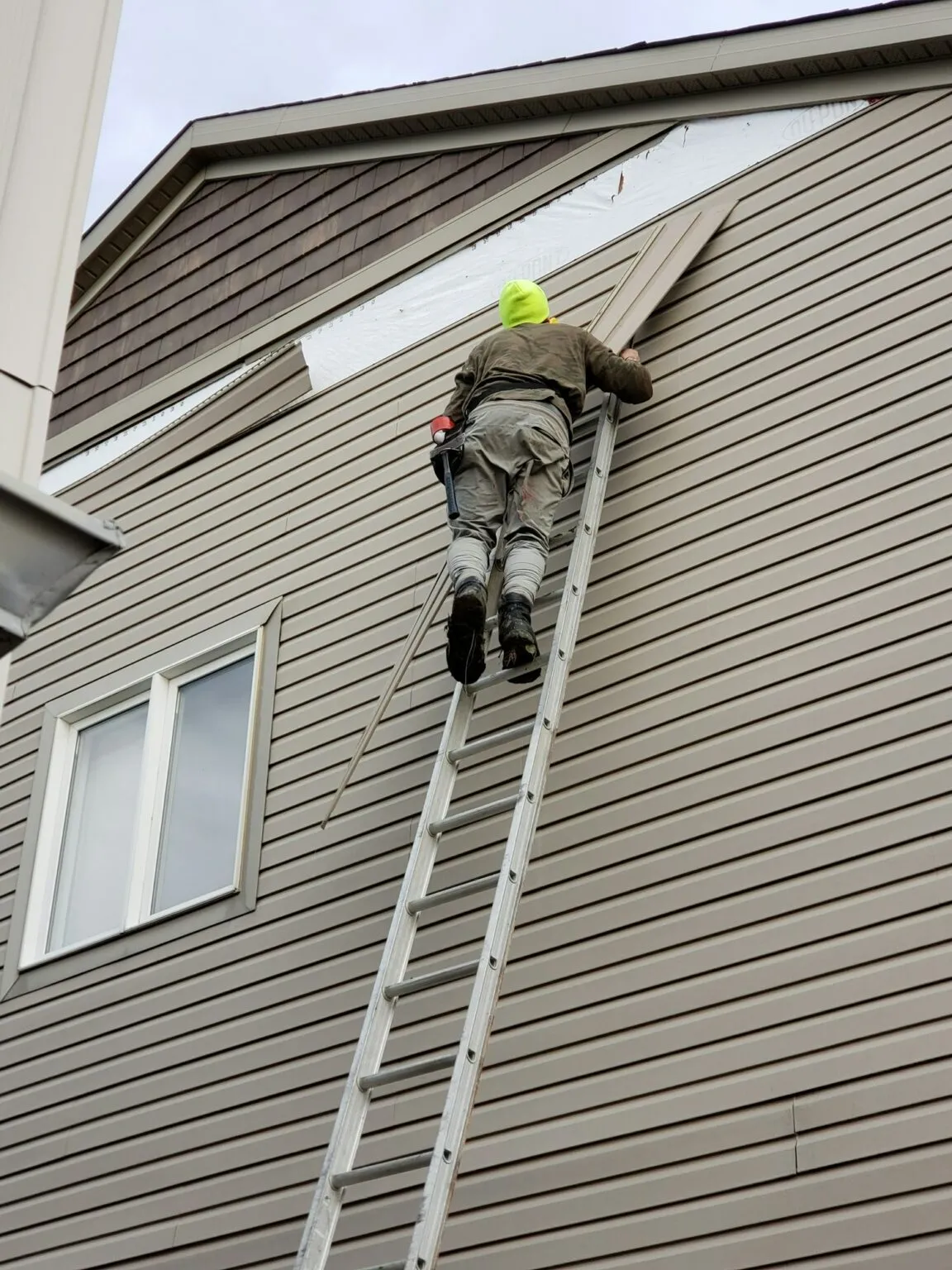
After a storm, it’s tempting to patch the damaged section and move on. Sometimes that’s the right call. Often, though, it creates a different problem: new panels rarely match old ones.
Vinyl fades in the sun, and the south and west sides of a beach house fade fastest. A brand-new panel next to ten-year-old siding can stand out clearly. Older profiles and colors are also frequently discontinued, so an exact match may not exist.
A good rule of thumb:
-
Repair when the damage is small, on a less visible wall, or the siding is fairly new and still in production
-
Replace a full wall or elevation when damage is spread out, on the front of the house, or the profile has been discontinued
-
Replace the whole house when panels are cracking or warping in several places, or there’s water damage behind them
Maintaining Siding in Salt Air
New siding near the ocean needs a little more care than siding inland. A few simple habits go a long way:
-
Rinse it with fresh water a couple of times a year, especially after storms. A garden hose and a soft brush work best. Avoid blasting vinyl with a high-pressure washer, which can force water behind the panels.
-
Check caulk and sealant around windows, doors and trim every spring. Salt air and sun break it down faster.
-
Walk the house after a big storm. Look for loose or missing vinyl panels and cracked or chipped Hardie boards.
-
Plan for repainting if you choose primed or field-painted Hardie board. Factory-finished boards stretch that timeline considerably.
If you manage a rental, fall and winter are the easiest times to schedule exterior work, since it won’t disrupt summer bookings. Keep in mind that vinyl contracts in the cold, so experienced installers allow the right expansion gaps when installing it in winter.
How to Choose a Siding Contractor in Ocean City
Before you sign a contract, make sure your contractor:
-
Gives you a written, itemized quote that separates materials, labor, removal and disposal, and any sheathing repairs
-
Can tell you the rated wind speed of the siding they’re proposing
-
Explains which HardieZone product they’re quoting, if you’re choosing fiber cement
-
Uses corrosion-resistant fasteners and flashing
-
Holds a Maryland Home Improvement Commission license and handles permits
-
Follows the manufacturer’s installation instructions, which matters for your warranty
Our guide on choosing a building contractor covers more questions worth asking. If you’re also replacing windows, read our guide to window replacement and wind codes in Ocean City. Coordinating siding and windows together means the flashing around each opening only has to be done once.
Frequently Asked Questions
How much does it cost to replace siding in Ocean City, MD? Most Ocean City homes cost about $8,000 to $15,000 to re-side with vinyl and about $14,000 to $24,000 with Hardie board. The final price depends on wall area, access, trim details and any damage found under the old siding.
Is Hardie board better than vinyl for a beach house? Hardie board handles wind and impact better and looks more like painted wood, but it costs more and needs careful installation and eventual repainting. Premium vinyl with a high wind rating is a strong, lower-cost choice, especially for homes that are more sheltered from direct ocean exposure.
How long does siding last near the ocean? Quality vinyl typically lasts 20 to 40 years and Hardie board 30 to 50 years. Salt air, sun exposure and installation quality can shorten or extend that range.
Do I need a permit to replace siding in Ocean City? It depends on where your home is and the scope of the work. Inside town limits, check with the Town of Ocean City. Outside them, check with Worcester County. Ocean Pines homeowners may also need Architectural Review Committee approval.
Can I replace just part of my siding? Yes, but sun-faded vinyl rarely matches new panels, and older profiles are often discontinued. Replacing a full wall or side of the house usually looks better than patching a few panels.
Get a Real Number for Your Home
Price ranges help you plan, but the only way to know your actual cost is to have someone measure your walls and check what’s underneath.
Chesapeake Shores Construction installs and replaces vinyl and Hardie siding for homeowners across Ocean City, Ocean Pines, Berlin and the Delaware beaches, including Bethany Beach and Fenwick Island. Learn more about our roofing and siding services, or request a free estimate. We return calls the same day and can usually meet at your property the next day.